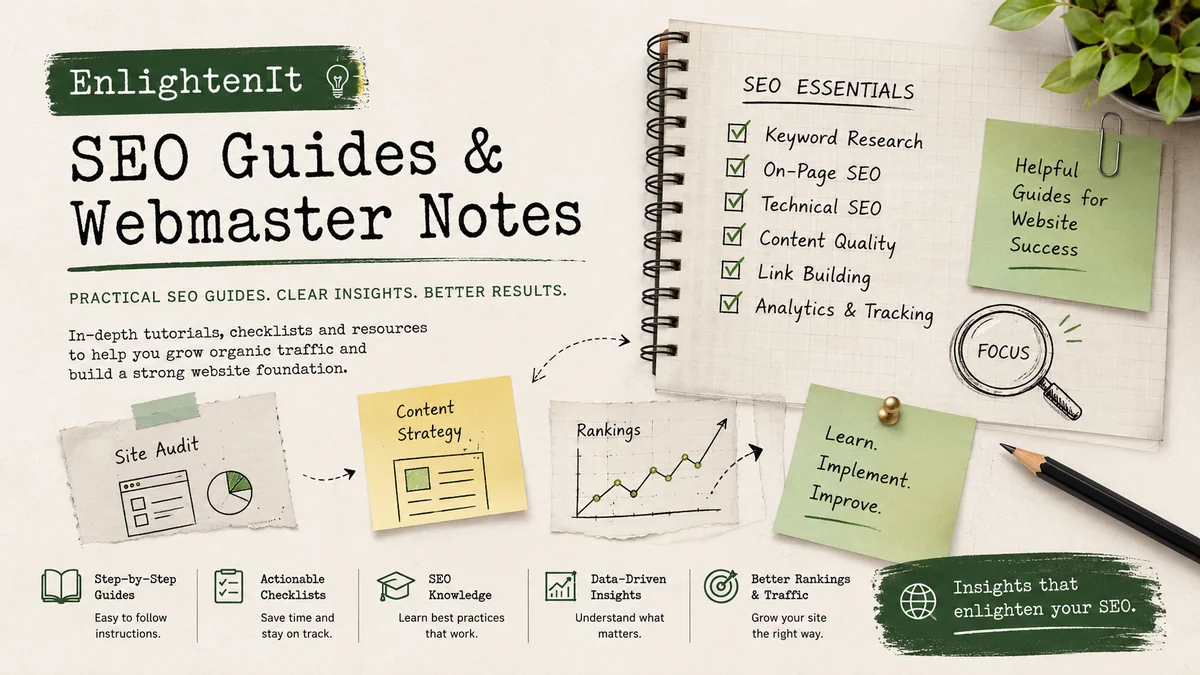
Beating the Competition with Better On-Page SEO
When it comes to outperforming a rival site with superior on-page SEO, it's essential to start by understanding the strengths and weaknesses of your competition. By identifying their areas of expertise and vulnerabilities, you can develop targeted strategies to exploit these gaps and gain an edge in search engine rankings. To begin this process, conduct a thorough analysis of your competitor's website structure, content, and metadata. Look for pages that consistently rank higher than similar ones on your own site, and identify the key factors contributing to their success - such as keyword density, image optimisation, or internal linking patterns. You may also want to investigate your competitor's backlink profile, examining which sites they're partnering with and how this influences their authority. By pinpointing areas where
Understanding Your Competitor's Strengths and Weaknesses
Technical SEO Checks: A Closer Look
When conducting technical SEO checks, it's essential to examine your website's crawlability and indexing issues first. Use tools like Google Search Console and Screaming Frog to identify any errors or warnings that may be hindering your site's ability to be fully crawled and indexed by search engines. Check for broken links, canonicalisation conflicts, and duplicate content issues, which can all negatively impact your site's visibility in search engine results pages. Additionally, ensure that your website's mobile-friendliness and page speed are optimised, as these factors also play a significant role in determining your site's overall SEO performance. By addressing these technical issues, you can significantly improve the crawlability and indexing of your website.
On-Page Optimization Strategies to Outshine the Competition
To outshine your competitors with better on-page SEO, it's essential to conduct thorough keyword research and incorporate relevant phrases into your page titles, descriptions, and headings. Utilise meta tags, such as the title tag and description tag, to accurately represent your content and entice users to click through from search engine results pages. Additionally, optimising images by including descriptive alt tags and compressing file sizes can also improve page load times, which is crucial for user experience and search engine rankings. By leveraging these on-page optimization strategies, you can increase the visibility of your website and gain a competitive edge in the search engine landscape.
A Step-by-Step Guide to Conducting a Technical SEO Audit
- Start by gathering all relevant data and tools, including website analytics, keyword research, and technical analysis software, to inform your audit process.
- Conduct an on-page audit of the competitor's website, examining key elements such as page titles, meta descriptions, header tags, and image optimisation.
- Assess the competitor's backlink profile using tools like SEMrush or Moz, identifying sites linking to their pages that can be targeted for future outreach efforts.
- Evaluate the competitor's mobile responsiveness and page speed, as slow-loading websites can significantly impact user experience and search engine rankings.
- Document your findings in a clear and concise report, highlighting areas of improvement and potential opportunities for on-page SEO enhancement.
Case Study: How to Apply On-Page SEO Best Practices for Better Search Rankings
Let's say we're a bakery competing with 'The Sweet Treat' bakery, which consistently ranks at the top of Google search results for 'best bakeries in town'. To improve our own online presence and beat The Sweet Treat to better search rankings, we apply on-page SEO best practices. We update our website's meta titles and descriptions to include relevant keywords such as 'homemade cakes' and 'bakeries near me', and ensure that our headings are clear and concise. We also add internal linking between our pages, allowing users to easily navigate our site and increasing the chances of them staying on our site longer and clicking through to our products. By following these best practices, we can improve our website's visibility
Implementing On-Page SEO Best Practices for Long-Term Success
To take our on-page SEO to the next level, we need to conduct regular technical audits to identify areas of improvement. This includes checking website crawl errors, ensuring all internal linking is accurate, and verifying that all images are properly optimised with descriptive alt tags. By making these adjustments, we not only improve our search rankings but also enhance user experience and increase engagement on our site. With a robust on-page SEO strategy in place, we can confidently outshine the competition and maintain our online presence over time.
Frequently Asked Questions
How do I identify areas of improvement in my on-page SEO?
To identify areas of improvement in your on-page SEO, you can begin by reviewing your website's performance using tools such as Google Search Console and Analytics to track keyword rankings, organic traffic, and bounce rates.
What tools can help me conduct technical SEO audits?
A technical SEO audit can be conducted using tools like Screaming Frog or Ahrefs to scan for crawl errors, broken links, and slow page loading times, helping you pinpoint areas that need improvement.
How
This depends on the specific business — the general principle above still applies.