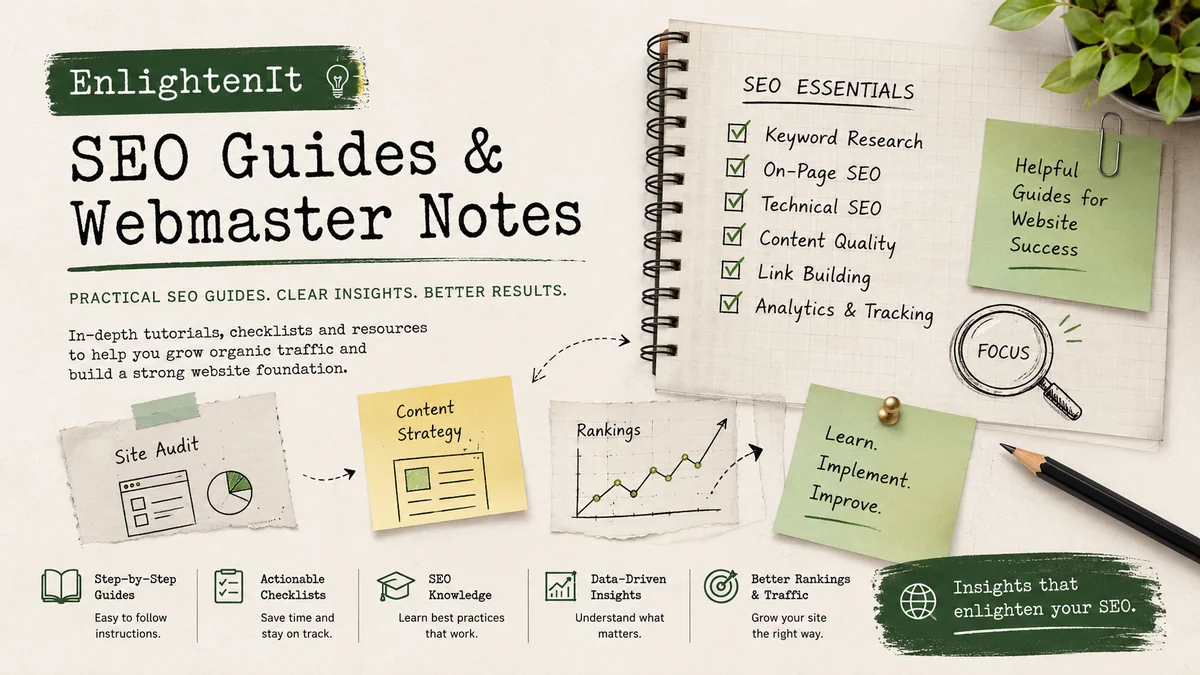
The Alarming Truth About SEO Test Results
The recent SEO test results have sparked controversy surrounding the ease with which misinformation can be ranked on Google, raising questions about the effectiveness of search engine algorithms in prioritising accuracy. This phenomenon has been observed in various studies and tests, where low-quality content, often containing fabricated information or biased perspectives, has been found to outrank credible sources.
What's Behind the Numbers?
The reasons behind this are multifaceted, with several factors contributing to the spread of misinformation on Google. One possible explanation is that search engines rely heavily on keyword analysis, which can inadvertently amplify false or misleading information. Furthermore, the sheer volume of content online makes it challenging for algorithms to accurately assess the credibility of each source. This can result in well-researched articles and websites being pushed down the rankings in favour
How Misinformation Can Creep in
Misinformation can creep in through various channels. For instance, fake news articles or social media posts can be crafted to resemble legitimate sources, making it difficult for users to distinguish fact from fiction. Additionally, search engine algorithms may inadvertently amplify false information if it is submitted by a large number of users or generates high engagement metrics, without critically evaluating its accuracy. Furthermore, the lack of regulation and oversight in some online platforms can provide fertile ground for misinformation to spread unchecked. This highlights the need for Google's test results to be interpreted with caution when ranking sites that disseminate false information.
Why Technical SEO Matters
Technical SEO is a crucial aspect of online search engine optimisation that can make all the difference in determining whether your website ranks for specific searches. By ensuring that your site's underlying structure and technical infrastructure are well-optimised, you can improve crawlability, indexing, and overall visibility to search engines like Google. A solid understanding of how search engines work and how to implement key technical SEO strategies, such as schema markup and meta tags, can help mitigate the risks associated with ranking for low-quality or misinformation-rich content. By prioritising technical SEO, website owners can increase their chances of securing a top spot in search engine results pages and drive more relevant traffic to their site. Effective technical SEO can also enhance user experience and credibility.
A Step-by-Step Guide to Improving On-Page SEO Readiness
- Conduct a thorough website audit to identify technical issues that may be hindering your site's crawlability and indexing.
- Optimise all page titles and meta descriptions to clearly convey the content and purpose of each webpage.
- Ensure that images on your website are properly optimised with descriptive alt tags, file names, and compressions.
- Use header tags (H1-H6) consistently throughout your content to structure and highlight key points.
- Regularly review and update your website's internal linking strategy to create a clear navigation hierarchy.
Putting Theory into Practice: A Real-Life Example of Search Engine Optimisation Success
A small online retailer, selling customised clothing, noticed a significant increase in traffic to their site following a series of articles published by rival businesses on their blog. The articles contained inaccuracies about the retailer's products and manufacturing process, yet these sites were ranking higher than the retailer's own website for related search terms. After conducting an SEO audit, it became clear that the competitor sites had employed keyword stuffing techniques and created low-quality content to manipulate search engine rankings. By implementing a new content strategy focusing on providing accurate information and creating high-quality product pages, the online retailer was able to improve their ranking and drive more targeted traffic to their site. Within six weeks, they saw a 25% increase in sales from organic searches.
One worrying consequence of the ease with which misinformation can be ranked on Google is its potential to spread rapidly online. As a result, individuals and organisations may find themselves inadvertently amplifying false or misleading information through seemingly innocuous online content. This can lead to serious issues, such as the dissemination of conspiracy theories or the promotion of harmful products, all under the guise of 'official' sources. Moreover, search engine algorithms are often designed with a focus on relevance and user engagement, rather than accuracy, which can make it difficult for reputable sources to compete with misinformation in terms of visibility. As a result, it is essential that online content creators take steps to verify information and ensure its accuracy before sharing it online. By doing so, they can help mitigate the spread of misinformation and promote a more trustworthy digital environment. This may involve fact-checking websites or reputable news sources to corroborate information, as well as being mindful of potential biases in one's own reporting.
Frequently Asked Questions
What's the Impact of Low-Quality Content on SEO?
Low-quality content can lead to a decrease in search engine rankings due to relevance and authority issues, as well as a higher bounce rate among users.
How Often Should I Update My Website's Content for Better Rankings?
Regularly updating website content can improve search engine rankings by indicating to algorithms that the site is active and providing fresh information for users.
Can I Rank Well on Google with a Small Business Budget?
With careful planning and optimisation, small businesses can still achieve good Google rankings despite limited budgets, especially if they focus on targeted keywords and high-quality content.